Role-play: Upsell Well Drinks to Premiums
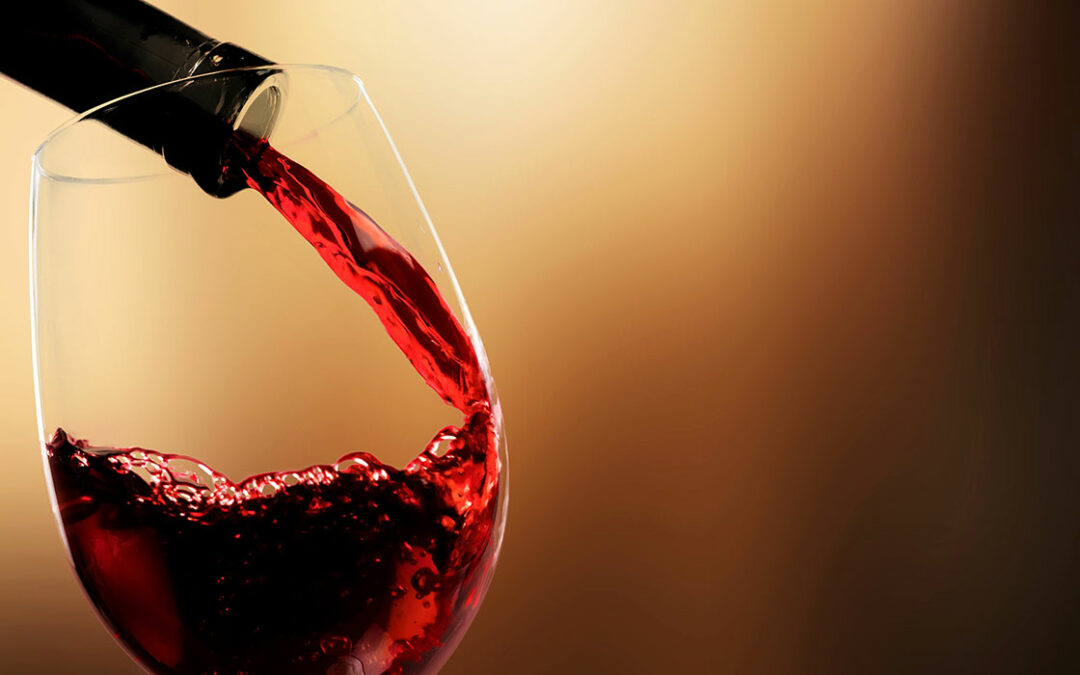
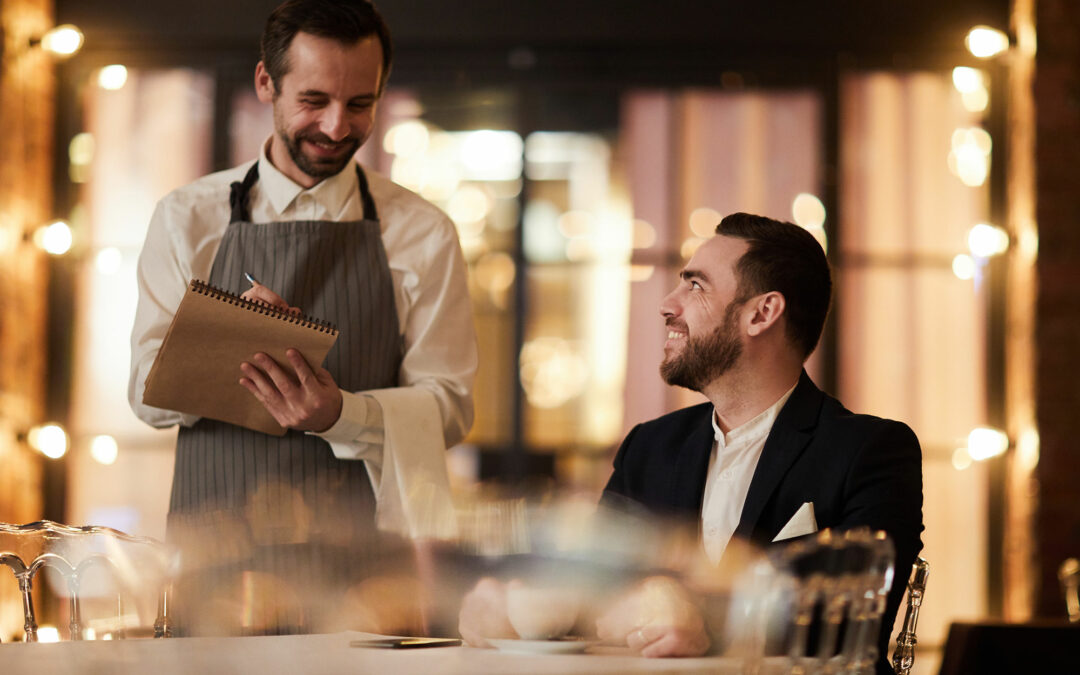
Let’s face it: the Absolut (or Stolichnaya or Grey Goose) tastes better than the house vodka. That’s why they cost more. Upgrading mixed drinks to premium drinks can boost your bar profits a little at a time… and create a better drink for your guests. Train your waitstaff and bartenders on details about some of your nicer premium spirits and, before your next shift, try this role-play activity with your servers and bartenders:
Guest: I’ll have a gin and tonic.
Server: Would you like Beefeater or Tanqueray with that? Or do you care for another type of gin?
Guest: I don’t know. Is there something wrong with the house vodka?
Server: No, sir, but I find that it’s a completely different drink with a nice vodka. My favorite is the Grey Goose. It’s made in France and distilled and bottled in very small batches. It’s incredibly smooth.
Guest: Go ahead and bring me one!
Real-world Waitstaff Training
Role-playing is a perfect way to give servers an opportunity to practice dialogue before they approach guests with it. Follow these guidelines to make the role-playing exercise worth the effort.
- Establish real-life examples using props and co-workers playing the part of guests. Create a set of scenarios that explore different guest experiences.
- Remind all parties involved that this is a learning environment and that staying in character is important. It’s okay to have fun, but not at the expense of the learning.
- Don’t allow the participants to over-embellish a situation. This is role-playing, not acting class. For example, someone playing the role of an upset guest should act the way most upset guests act, not like the exceptional guest who starts yelling and storms out of the dining room.
Grime Doesn’t Pay – Keep Your Restaurant Clean
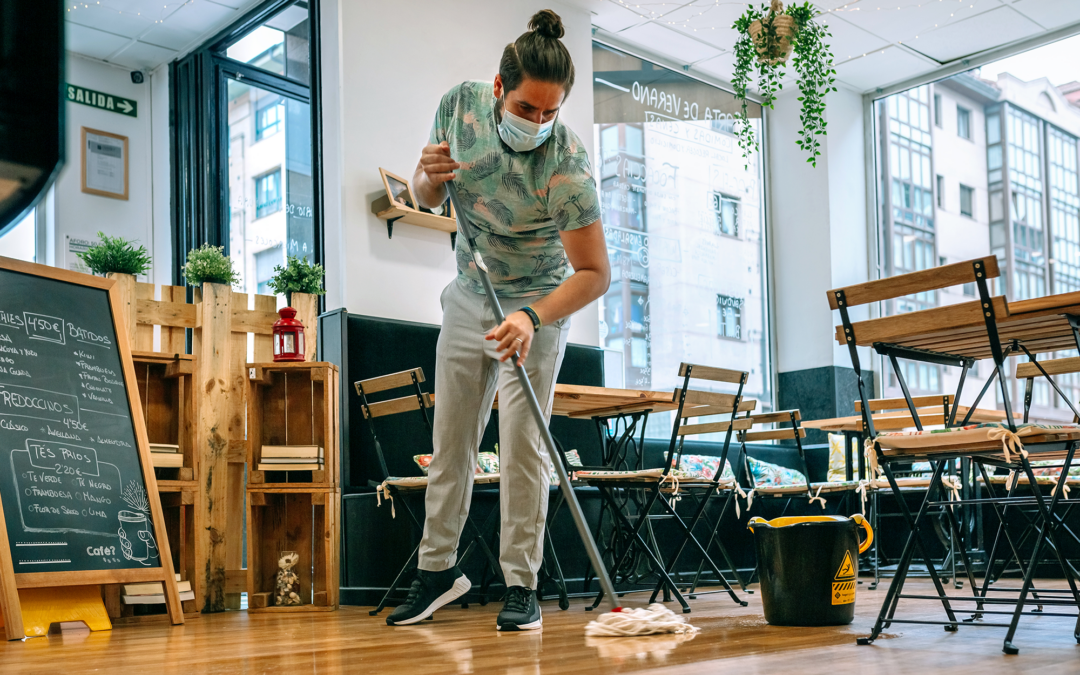
It’s hard to keep things clean if you aren’t aware of them. But paying attention doesn’t have to be a full-time job. The important thing is to know when and where to look for cleanliness problems.
Your customers care about at least three things: the appearance of your staff, the appearance of the restaurant grounds, including the parking lot and entryway, and the appearance of the entire dining room, including service stations, cashier areas or bars. You’ll need to turn on your grime radar whenever you monitor each of these areas.
First, teach servers to pay attention to themselves by turning on their personal radar. For example, encourage them to take a peek in the mirror as they’re getting dressed before their shift, when they visit the restroom or after a break. Your restaurant has spent a considerable amount of time, energy and money to present the best possible image to your customers. That can all go to waste if servers are not clean and presentable.
The next opportunity to switch on your radar is whenever you’re working the floor. You should constantly be searching for any cleanliness problems throughout the various stations and work areas.
Finally, take a look around whenever you enter or leave the restaurant. Your customers will notice the condition of your parking lot, your entryway, your signs, your windows, etc. So turn on your radar as soon as your restaurant comes into view — and keep it on until your restaurant drops from sight as you leave.
Use the Grime Doesn’t Pay DVD to help your employees see your restaurant the way a guest may see it. Check it out below:
Waitstaff Training to Increase Summer Beer Sales
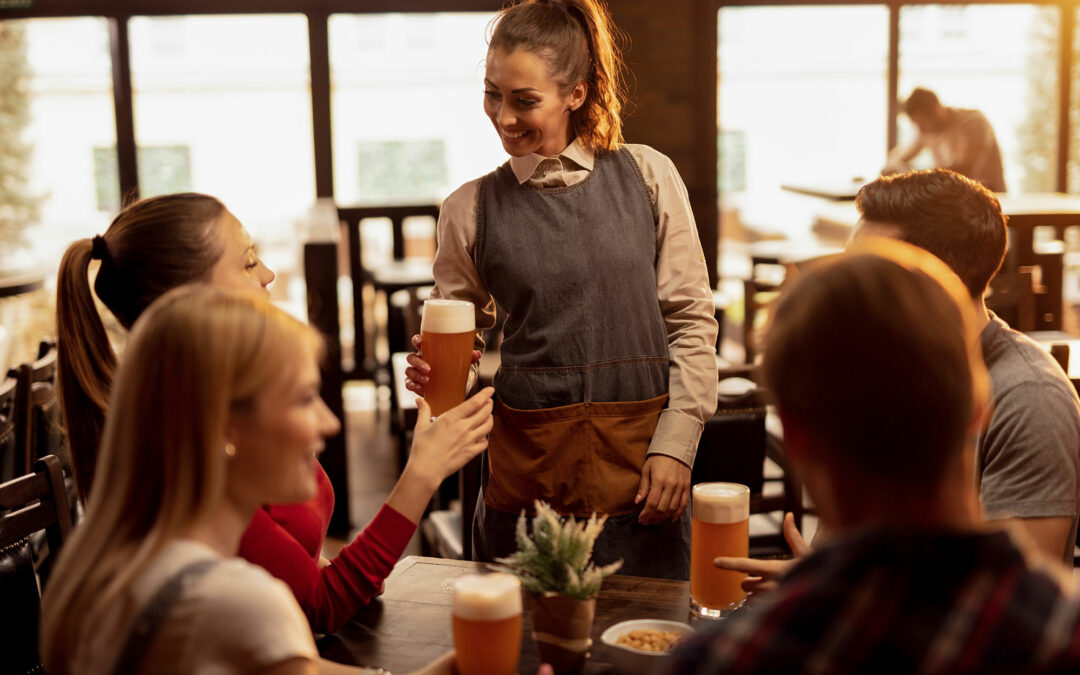
When the seasons start to change so do drinking habits. Now is a perfect time to refresh your bartenders’ and servers’ memories on specialty light ales that come out this time of year.
Set up a training session to sample and bring top-of-mind those great flavored ales that may take a back seat during the winter months. You can also review pouring techniques, take an inventory of glassware and discuss possible promotions to run this season. Check out these ideas to get you started:
- Select three light beers that you would like to feature.
- Have your trainer develop selling sentences and flavor profiles. Your beer sales representatives would love to get involved and help you out on this one.
- Match the ales with the perfect food on your menu so your staff will be ready to make menu and drink suggestions to customers.
- Practice, practice, practice the selling sentence every day for a week during your pre-shift meetings.
- Run a contest for best sales. Think about approaching your beer sales representative again for the prize in this contest.
Fun, informative, and easy to implment, How to Sell More Beer DVD is the perfect tool to jumpstart your beer sales. Check it out:
Waitstaff Sales Training – Windows of Opportunity
Knowing when to suggestively sell is just as important as the suggestion itself. Train your staff to exploit these windows of opportunity.
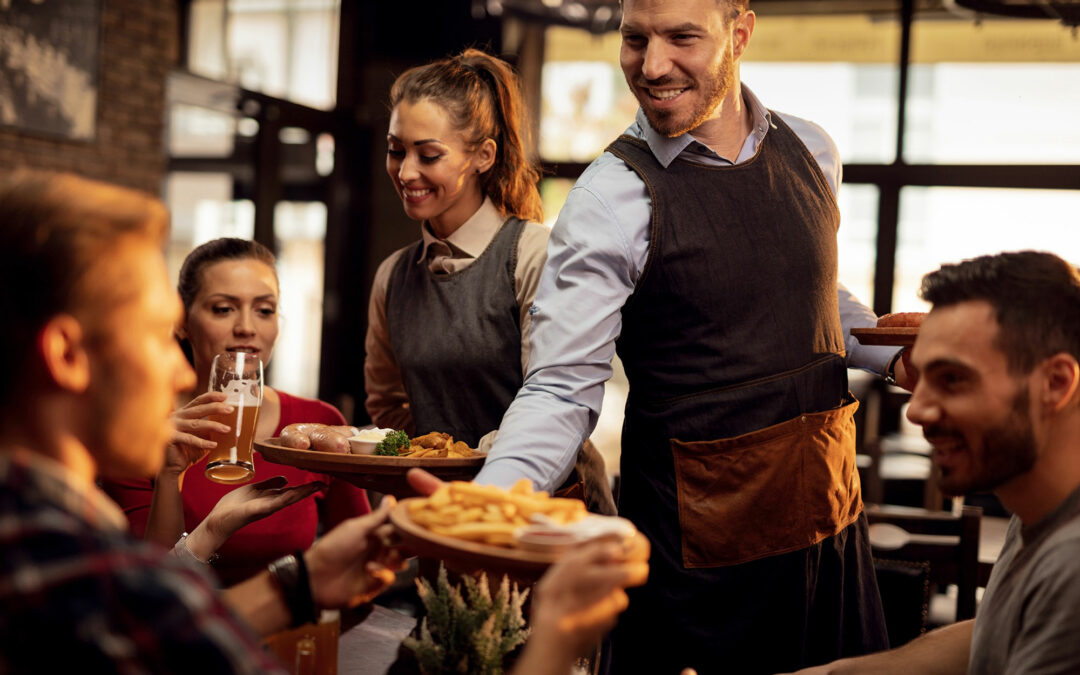
Beverage and Appetizer Window: After delivering a warm, friendly greeting, servers should suggest a beverage, mentioning at least two specific selections. Then, before leaving the table, it’s useful to plant the seed for an appetizer sale. A proven winner: “When I’m getting your drinks, take a look at our appetizer menu. The Nachos are my personal favorite.”
Wine Window: The best time to suggest and sell wine is after the entrée orders have been taken. After repeating back the orders to ensure accuracy and before leaving the table, servers can use the wine list as a sales prop, pointing out specific selections that will complement the meal but never pressuring the guests. The soft sell: “I’ll give you a minute to look over the wines and be back to take your order. If you have any questions, please don’t hesitate to ask.”
Dessert Window: The trick is to assume that guests want dessert, using sales dialogue that says “which one” instead of “are you interested?” Train wait staff to impart tempting words and phrases, followed by friendly persuasion: “Which one sounds good to you?”
Waitstaff Training: Set the Standards
When implementing wait staff service training policies and procedures, make sure you reinforce the anticipated outcome. Consider these examples:
Policy: Say thank you to each guest.
Outcomes: Are employees making eye contact? Does the delivery seem sincere?
Policy: Suggest an appetizer to each table.
Outcomes: Do servers have the knowledge to answer questions about the item? Do they sound like a robot? Do they suggest the same item to each table?
Policy: Greet each table in a matter of seconds.
Outcomes: Is the greeting sincere? Do they rush by or actually take the time to stop at the table?
Training Restaurant Employees through The Art of Role-playing
As the Chinese proverb goes: “I hear and I forget, I see and I remember, I do and I understand.”
Think back to how you learned to drive a car and you can see why role-playing is so effective. Did you watch someone explain it on a flip chart and then jump behind the wheel? Probably not.
Someone showed you the proper techniques, then you went through the motions in a parked car until you felt confident enough to go solo around the block. It wasn’t until you received the green light that you grabbed the keys for good.
Don’t give employees the go-ahead to perform important skills with customers until they’ve demonstrated a certain level of proficiency in role-playing sessions. Here’s how to conduct them:
- Write the scenarios down on note cards before the meeting. Provide specifics and “set the scene.”
- On a flipchart, identify the behaviors you’re after.
- Call up role-players one scenario at a time, and have employees take turns playing the customer.
- Give everyone a turn — having good and not-so-good responses in role-plays reinforces learning.
- Discuss each scenario when the role-play is finished, pinpointing good aspects and areas that need improvement.
Excerpted from Quick Service That Sells!, the restaurant management book just for QSR. Click here to read more.